

A beginner’s guide to the blue photographic process
There is magic about creating an image with sunlight.
Unlike digital photography, where an image appears instantly on a screen, cyanotype makes me to slow down. It requires patience, observation and a willingness to embrace the unexpected. The final image is shaped not only by the object or a negative placed on the surface, but also by the quality of the light, the weather, the timing and my own hands.
Cyanotype is one of the oldest photographic printing processes, yet it feels surprisingly contemporary. Today, artists around the world are rediscovering this beautiful blue medium because it offers something rare in our fast-paced digital world: a direct, tactile connection between the maker, the materials and the natural environment.
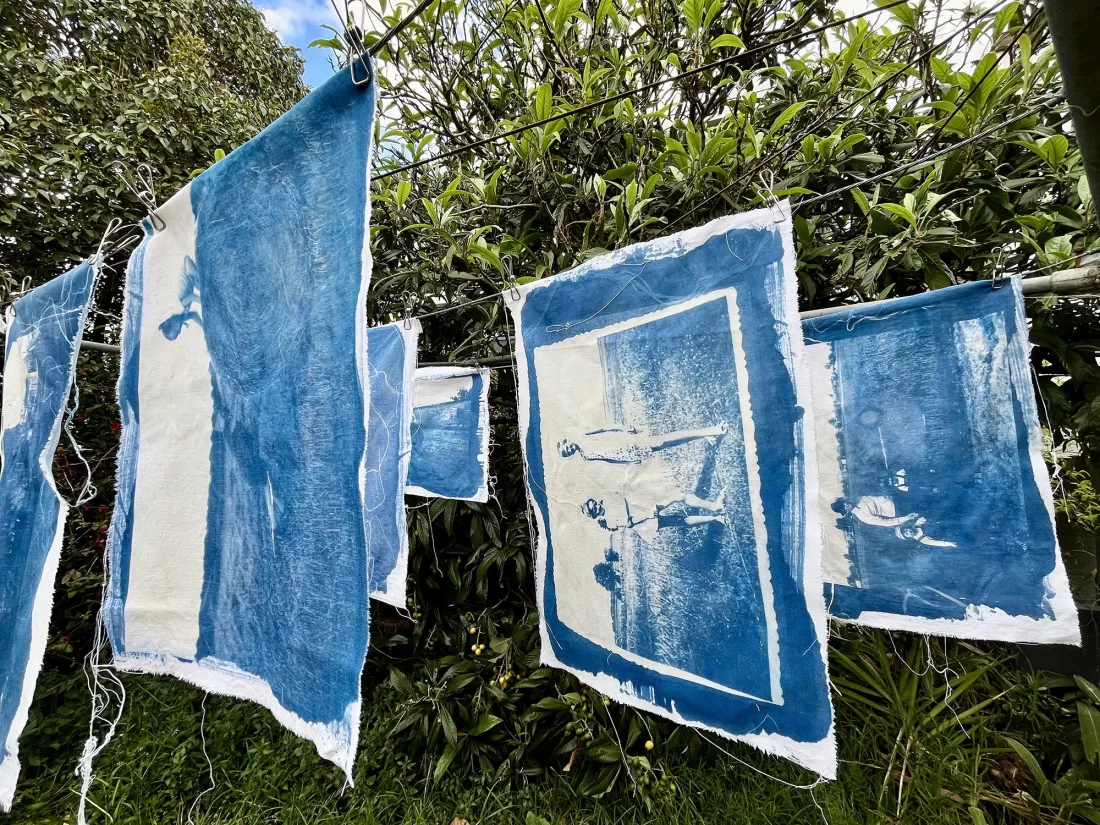
What is cyanotype?
Cyanotype is an alternative photographic printing process that uses light-sensitive chemicals and sunlight to create images. When exposed to ultraviolet light (UV), the treated surface develops into a distinctive deep blue colour known as Prussian blue.
The process was invented in 1842 by English scientist and astronomer Sir John Herschel, who was exploring ways to reproduce scientific drawings and notes. Soon after, botanist and photographer Anna Atkins began using cyanotype to create some of the earliest photographic books, combining botanical specimens with the new photographic technology.
The process later became widely known through architectural blueprints, where its strong blue background and white lines were used to reproduce technical drawings.
Today, cyanotype has moved far beyond its scientific and industrial origins. Contemporary artists use it to explore memory, nature, identity and storytelling.
How does cyanotype work?
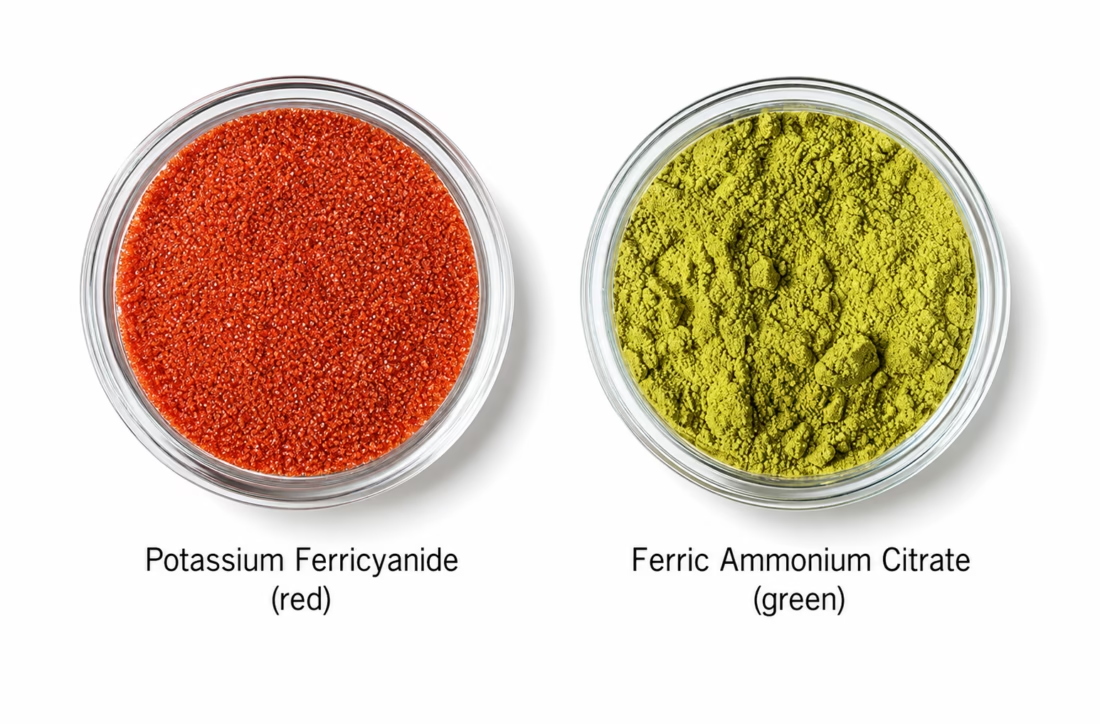
The process begins by coating paper or fabric with a light-sensitive solution made from two iron-based chemicals: ferric ammonium citrate [NH4]y[Fe(C6H4O7)] also known as ammonium iron(III) citrate, and potassium ferricyanide K3[Fe(CN)6].
Very soon after coating, the surface becomes light sensitive. An object, plant, or negative is placed on top of the coated material and exposed to sunlight or ultraviolet light.
Where the light reaches the surface, a chemical reaction occurs. Areas blocked from the light remain lighter, creating the image.
After exposure, the artwork is washed in water which causes the blue pigment to appear. This is often the most exciting part of the process. Slowly, as the chemicals wash away, the image begins to appear and the beautiful blue tones deepen over the next 24hrs.
Every cyanotype is unique. Even when using the same objects or photographs, no two prints will ever be exactly the same.
 Why is cyanotype experiencing a revival?
In a world dominated by instant digital images, cyanotype offers a completely different experience.
The process is slow, tactile and unpredictable. It encourages us to pay attention to small details and problem solving: the texture of a leaf, the shape of a handwritten letter, the pattern of fabric or the imperfections of handmade paper, the time it takes to reach a correct exposure.
For many people, the attraction of cyanotype is not only the final image but the experience of creating it.
The process feels connected to the past. There is something deeply satisfying about making an image through chemistry, water and sunlight rather than pressing a button. Each print carries evidence of the moment it was created.
Cyanotype as a way of preserving memories
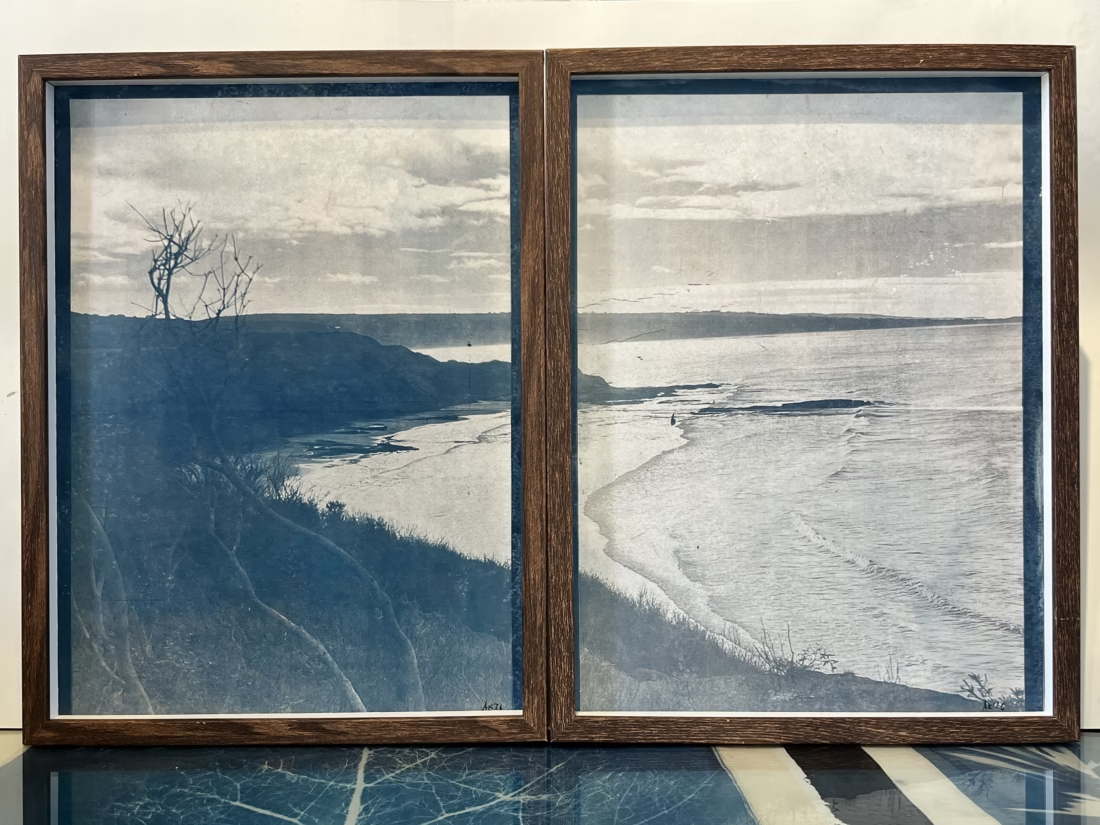
For me, cyanotype is much more than a photographic technique. It is a way of holding onto stories.
My own practice explores themes of memory, belonging, migration and the relationship between personal histories and place. Working with cyanotype has allowed me to think about photography differently – not only as a way of recording what we see, but as a way of preserving what we feel.
I am particularly drawn to the connection between cyanotype and archives. The process has a beautiful relationship with objects that carry traces of lives lived: family photographs, handwritten documents, textiles, plants collected from meaningful places and everyday objects that hold personal memories. You can see many examples of this in my studio.
Creating a cyanotype can feel like uncovering something hidden – bringing a forgotten story back into the light.
Is cyanotype suitable for beginners?
Absolutely.
One of the wonderful things about cyanotype is that you do not need previous artistic experience or specialist photography skills to begin. The process is accessible, playful and suitable for anyone curious about making images with their own hands.
A beginner’s cyanotype session can include experimenting with:
- botanical specimens and flowers
- leaves and natural materials
- lace, fabrics and found objects
- photographic negatives
- drawings and handmade compositions
- layered images and abstract designs
The results are often surprising, even for people who describe themselves as “not creative”.
Cyanotype reminds us that creativity is not about perfection. It is about curiosity, experimentation and being open to discovery.
Read more about my studio practice →
Learn cyanotype in Melbourne
I run regular cyanotype workshops from my artist studio at Montsalvat where participants are introduced to this beautiful historic photographic process in a relaxed and supportive environment.
During the workshop, you will learn how cyanotype works, experiment with different materials and create your own handmade prints using sunlight. You will leave with your own collection of unique cyanotypes and the knowledge and confidence to continue exploring the process at home.
Whether you are interested in photography, art, nature, textiles or simply trying something new, cyanotype offers a wonderful opportunity to slow down and create something meaningful.
Join me for a cyanotype workshop and experience the magic of the blueprint! See upcoming workshops by clicking to link below: